
Travel & Discovery
What the coastline teaches us about light

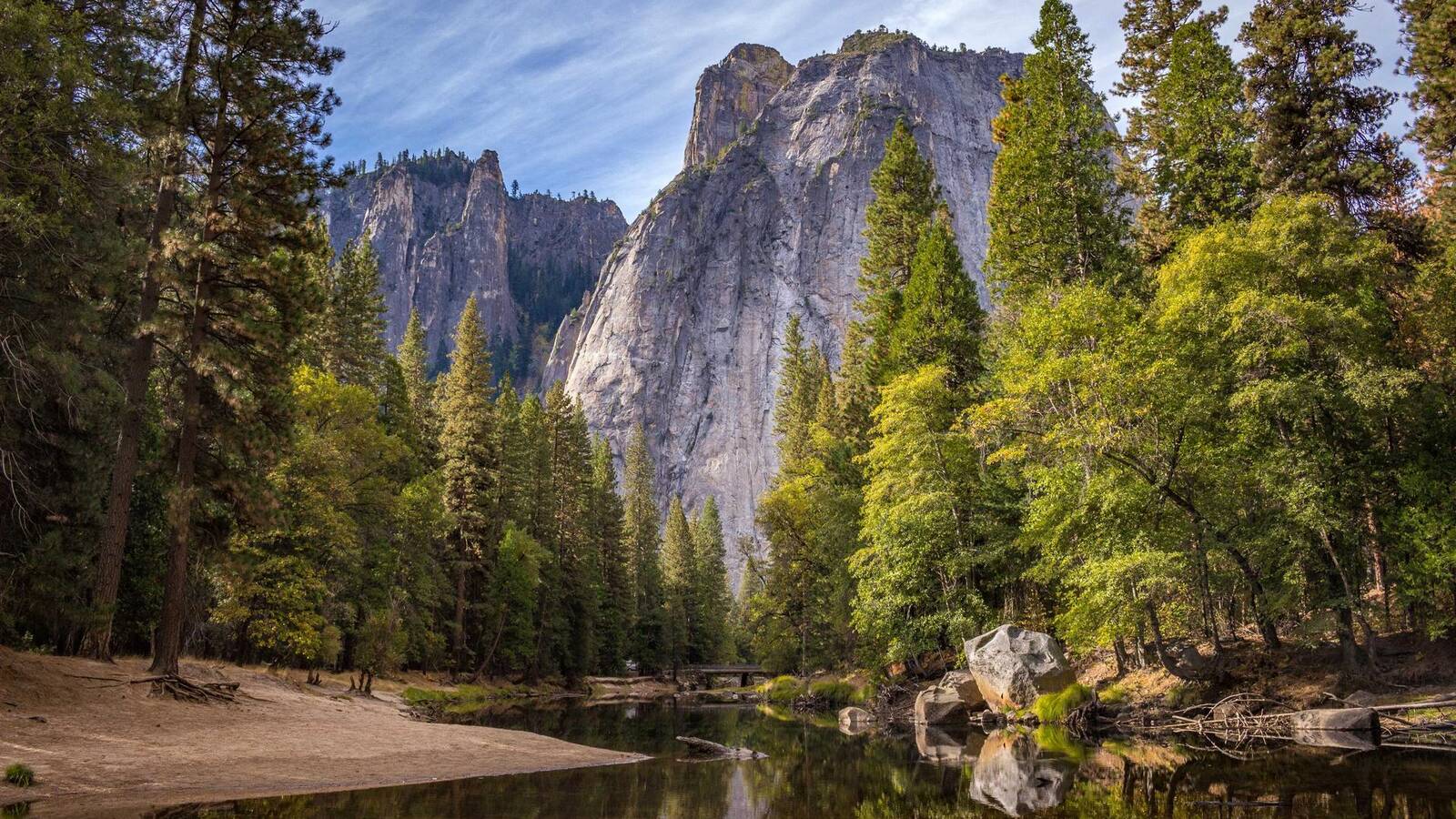
Filming near the sea sounds simple on paper: open space, a clear horizon, rarely an obstacle in the way. In practice, it is one of the most demanding environments we work in, precisely because the light there changes faster and harder than anywhere else.
In detail
Water acts as a huge natural reflector, for better and for worse. A slightly hazy sky can be enough to turn a flat scene into something almost unreal, but the same sky an hour later can completely flatten a shot that had looked identical just before.
We learned, often the hard way on early shoots, never to plan a full day at the coast around a single time slot. Sunrise and sunset remain our favourite windows, but even at midday a brief patch of cloud cover can offer an opportunity that has to be seized within minutes.
Wind is the other variable we always underestimate before actually shooting on the coast. It damages location sound, complicates stabilisation, and constantly changes the look of the water itself. Our sound engineers have developed reflexes specific to this environment that they use nowhere else.
What the coastline has mostly taught us is humility. You do not tame natural light, you learn to recognise it at the right moment and to be ready when it shows up. That lesson reaches far beyond the shoreline, and it now shapes every shoot the agency takes on.
Equipment has had to adapt to that reality. Our camera bodies now travel with covers protecting them against sand and humidity, and every crew systematically carries a set of microfibre cloths, almost silly-looking but essential the moment the wind picks up on a beach.
One shoot stays etched in our memory: three days planned to capture a single sunset scene, finally achieved in a few minutes on the second day, after two failed attempts under a sky that was too clear. Patience, in this environment, is not optional, it is a skill in its own right.
Our advice to anyone starting to film by the sea: always arrive earlier than necessary, always leave later, and accept that part of the shoot will play out beyond your control. It is uncomfortable at first, and then it becomes one of the most interesting parts of the craft.
This lesson in humility actually extends well beyond light itself. Filming by the sea taught us to systematically build a buffer into every production schedule, not just for weather but for everything beyond our direct control: an access point closed without notice, a tide higher than expected, a group of onlookers settling right into frame at the worst possible moment. We now build that buffer into the initial quote rather than discovering the need for it on site under pressure, which has considerably reduced the stress of these shoots without ever reducing their creative ambition.
Some team members have ended up developing a genuine weather instinct, able to sense that a window of light is about to open a few minutes before it actually does. It is not magic, only hundreds of hours spent watching the same sky change, season after season, until its patterns become almost second nature.
For every coastal site we have already explored, we also keep an internal technical sheet: favourable tide times, the sun's exact position depending on the season, access points still usable in the rain. These details are far from spectacular, but they save precious time whenever we return to a location filmed several years earlier.
None of this would matter without a crew willing to wake up well before sunrise, day after day, without complaint. That willingness is rarely mentioned when people talk about coastal cinematography, yet it is arguably the single most important ingredient: the best light in the world is useless to a team that is not standing there, camera ready, when it finally appears.